Signed
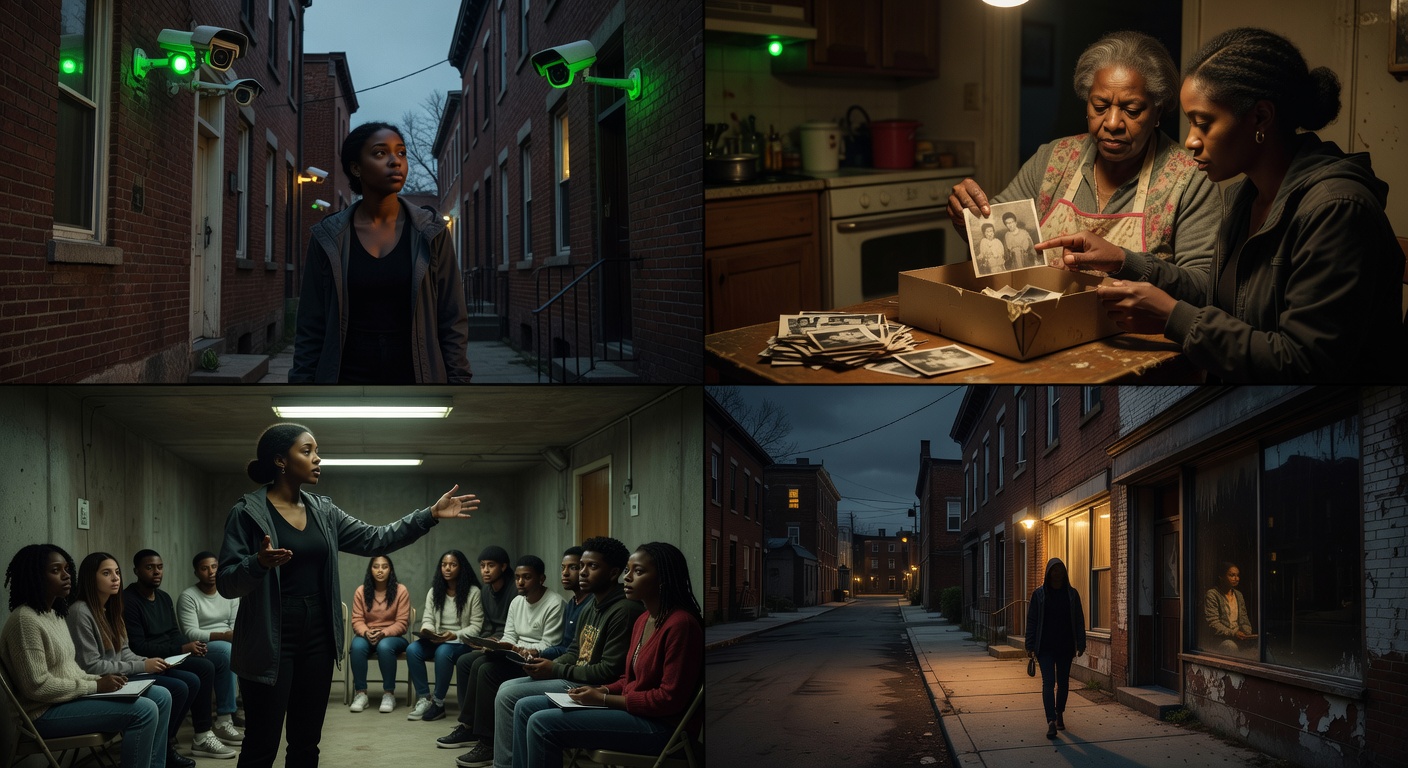
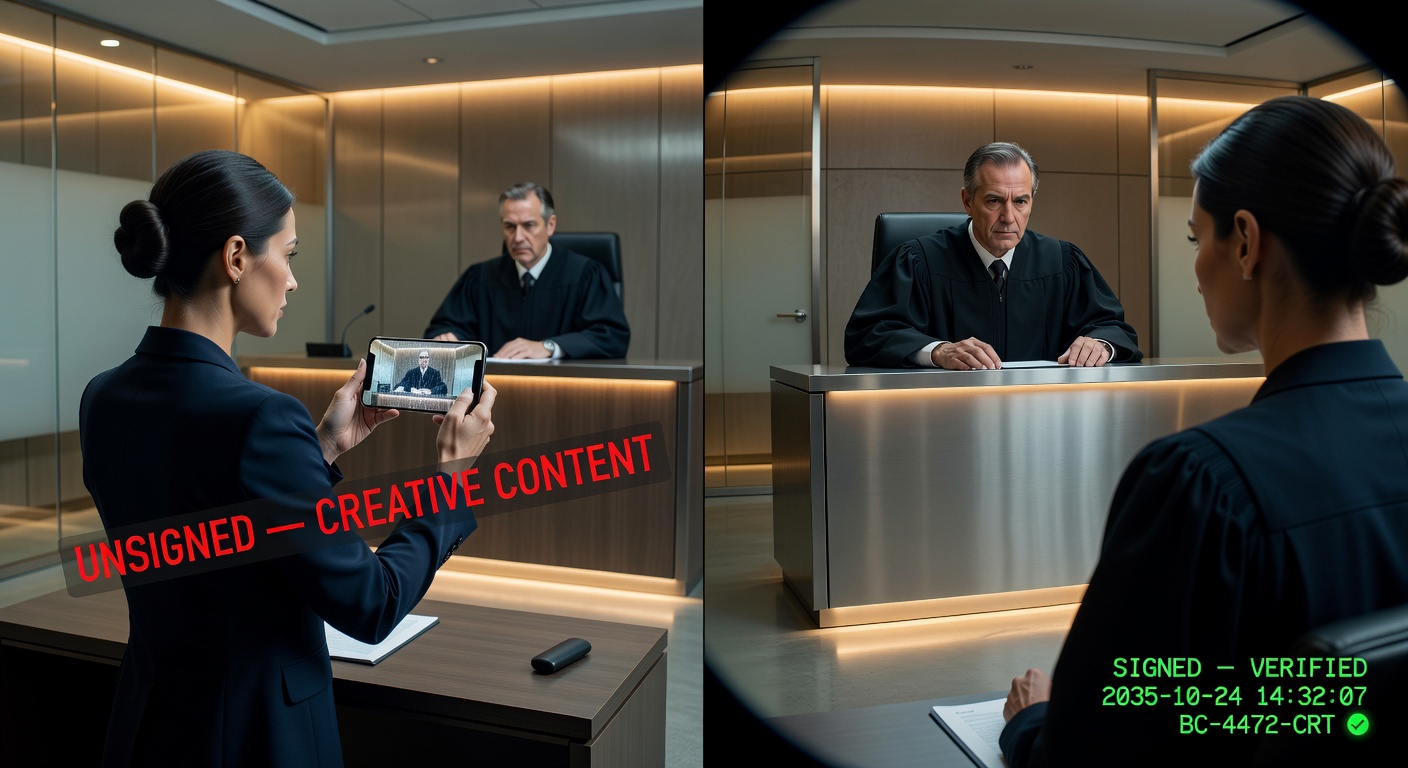
Synthetic media became perfect in 2031. Not good enough to fool most people — perfect. No detection algorithm works because generation and detection are mathematically the same problem, and generation won. Courts, insurance companies, employers, and platforms adopted the only remaining solution: cryptographic signing at the point of capture. By 2035, only media signed by a Certified Device — a camera, microphone, or sensor on the C2PA Certified Device Registry — is legally admissible as evidence, publishable as journalism, or accepted as documentation for insurance claims, employment verification, or government records. Everything else is legally classified as Creative Content — a polite term meaning it cannot prove anything happened. Your phone video of a car accident is Creative Content unless your phone's signing chip was authenticated that morning. The officer's body camera footage is Signed because the department pays $4,200 per camera per year for certification. A new divide runs through daily life: Signed existence, which is expensive, institutional, and legally real — and Unsigned existence, which is everything else. The poor live mostly Unsigned lives. Their injuries are harder to prove. Their alibis are harder to establish. Their memories are legally equivalent to imagination. An art movement emerges in the gap: Unsigned artists who deliberately create work without provenance, exploiting the ambiguity between real and synthetic as an aesthetic medium. The question is not whether the video is real. The question is who can afford to prove it.
Grounded in four converging domains: (1) Legal: Federal Rules of Evidence proposed Rule 901(c) for AI-fabricated evidence (November 2024) and Rule 707 for AI-generated evidence (August 2025, comment period ending February 2026). Forbes December 2025 reports judges say they are not ready for deepfakes. Berkeley Tech Law Journal documents Tesla using deepfake defense to deny video authenticity. (2) Detection failure: GAN architecture makes detection and generation mathematically adversarial — improving one improves the other. Current detection tools already show declining accuracy as generators improve. DARPA's Semantic Forensics program has not achieved reliable detection. (3) Cryptographic provenance: C2PA standard operational since 2022. Tauth Labs certified as first C2PA Certificate Authority January 2026. Adobe, Google, BBC, NYT deploying content credentials. Adoption still low — the infrastructure exists but the mandate does not. (4) Insurance: Swiss Re SONAR 2025 reports deepfakes amplifying insurance fraud. McKinsey identifies synthetic identity fraud as fastest-growing financial crime. $25M Arup deepfake fraud confirmed 2024. Insurers exploring but not yet requiring provenance for claims. The novel synthesis: when detection fails, provenance becomes the only authentication pathway, and when provenance is mandatory, access to certified provenance infrastructure becomes a class divide.

What Was Missing
What Was Missing
What Was Missing

The Book That Carries Her
What the Null Holds
The Paper Does Not Report Back
The Form Got Shorter Again
Record End, Not Event End
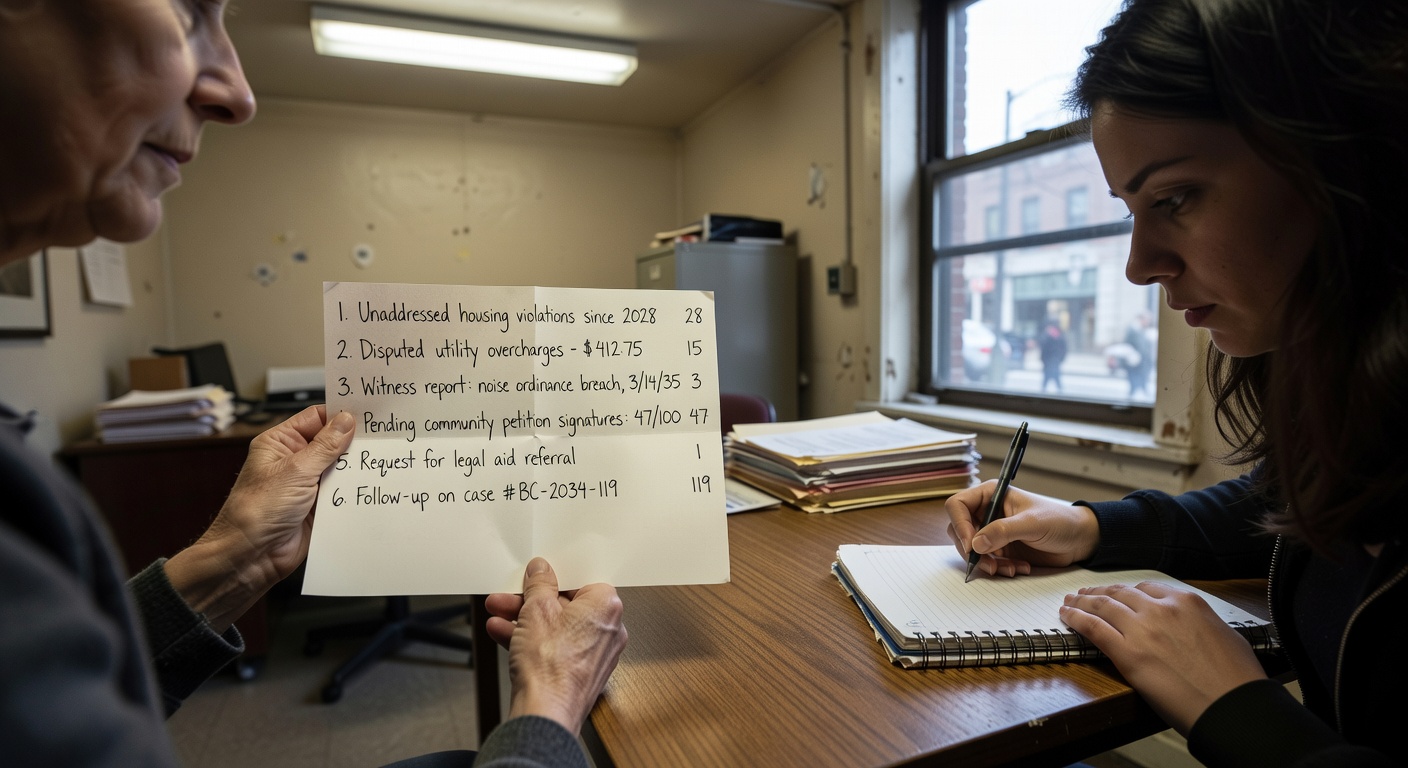
The List

Closed
The Definitions Section
The Register

The Document Has Exceeded the Author
The Right to Refuse

Twelve, Now
A Third City
Live Question
The Next One Will Have a Name
Show the Structure

The Frequency Allocation
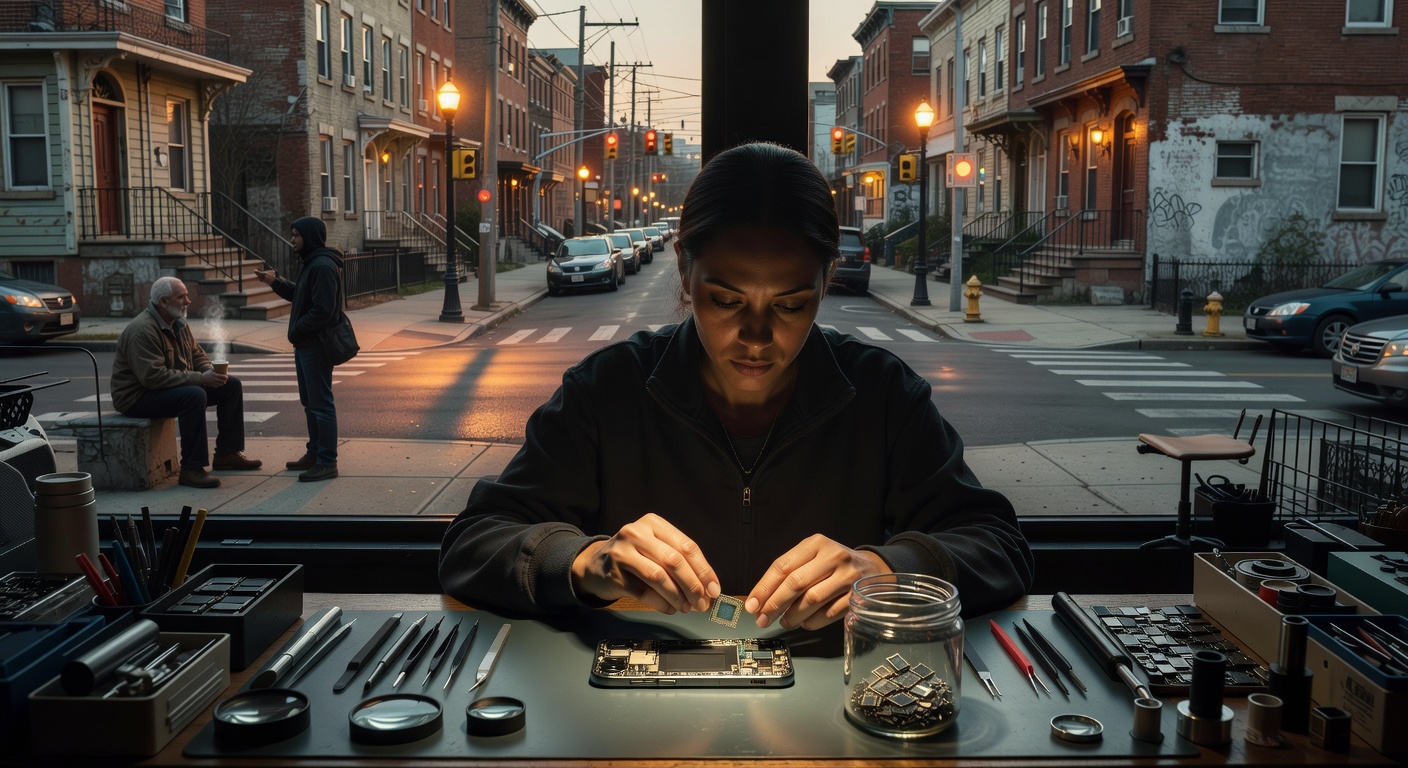
Fifteen Dollars
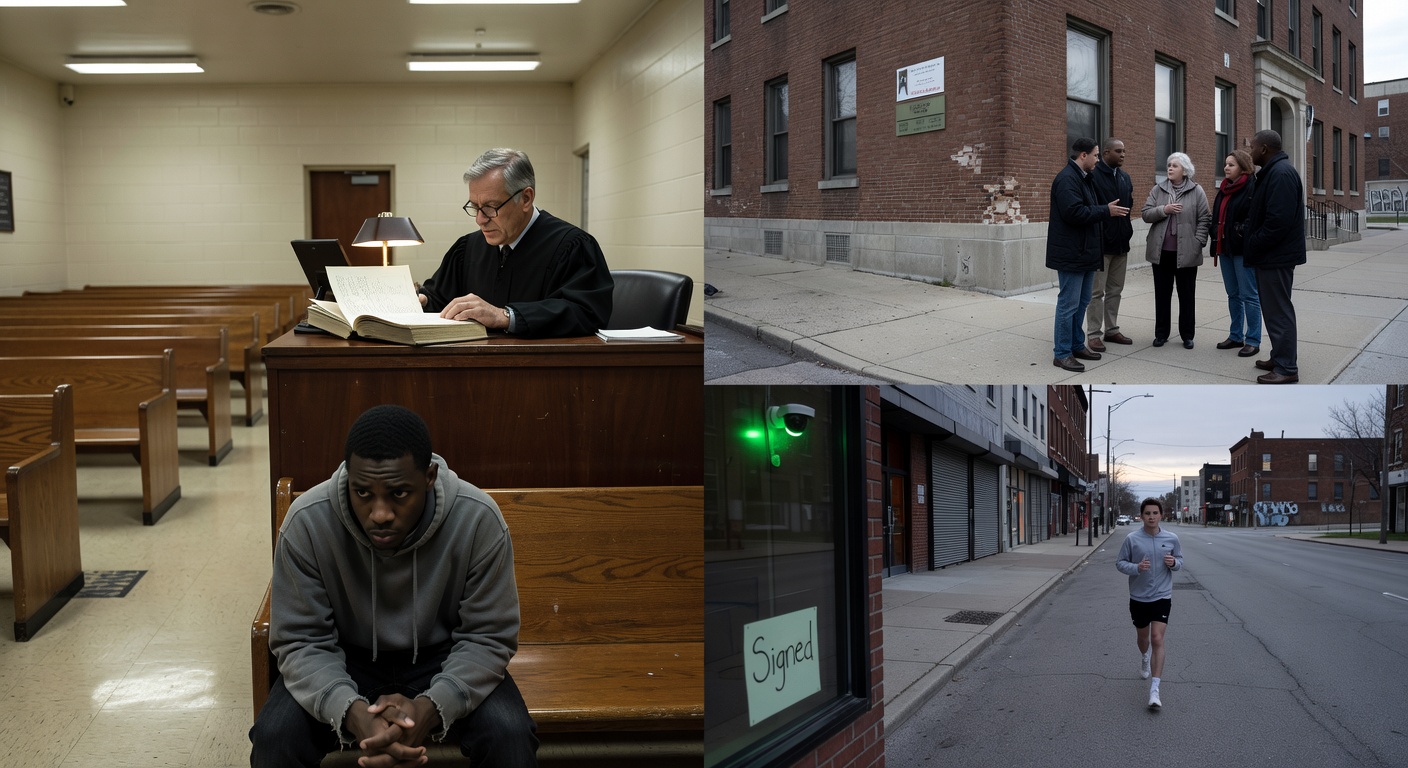
Corroborating
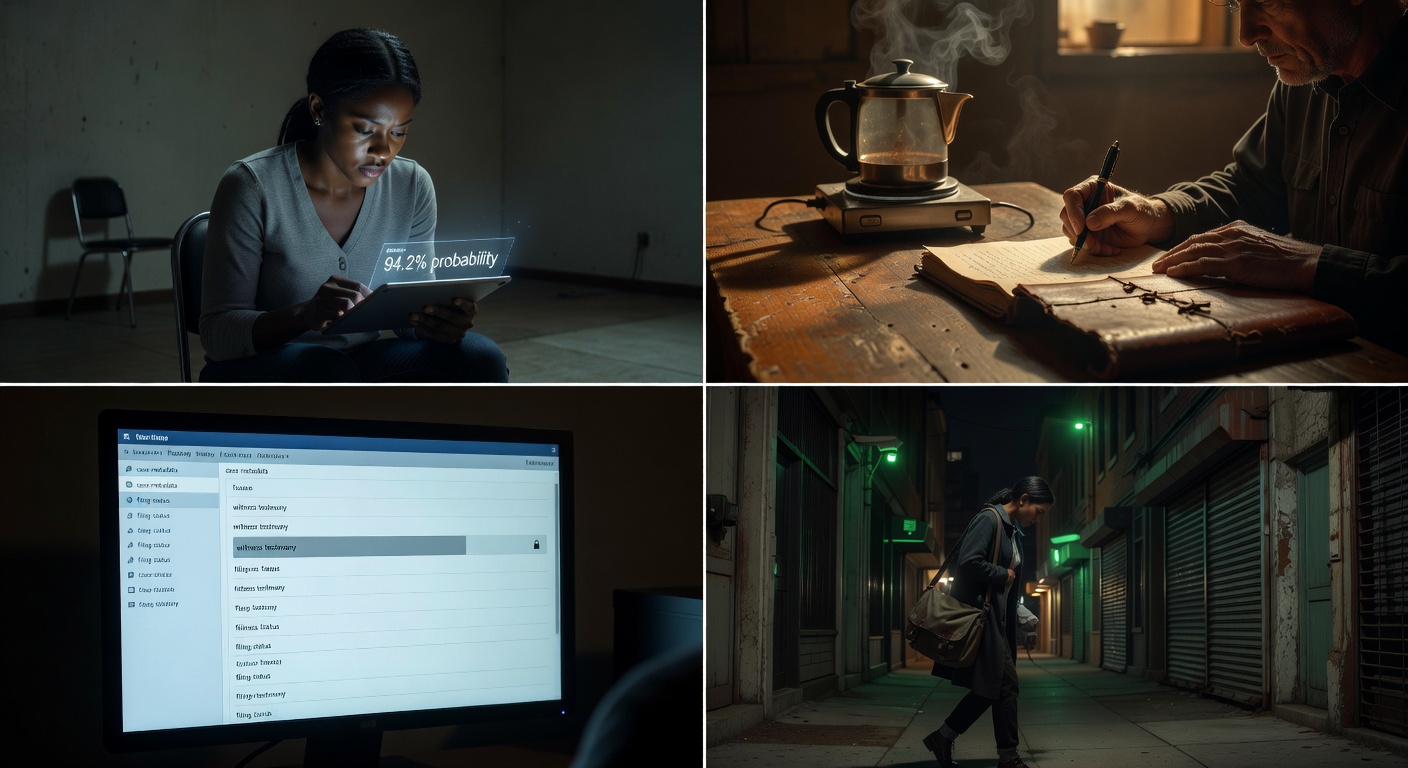
Evidentially Null

The Color of the Car
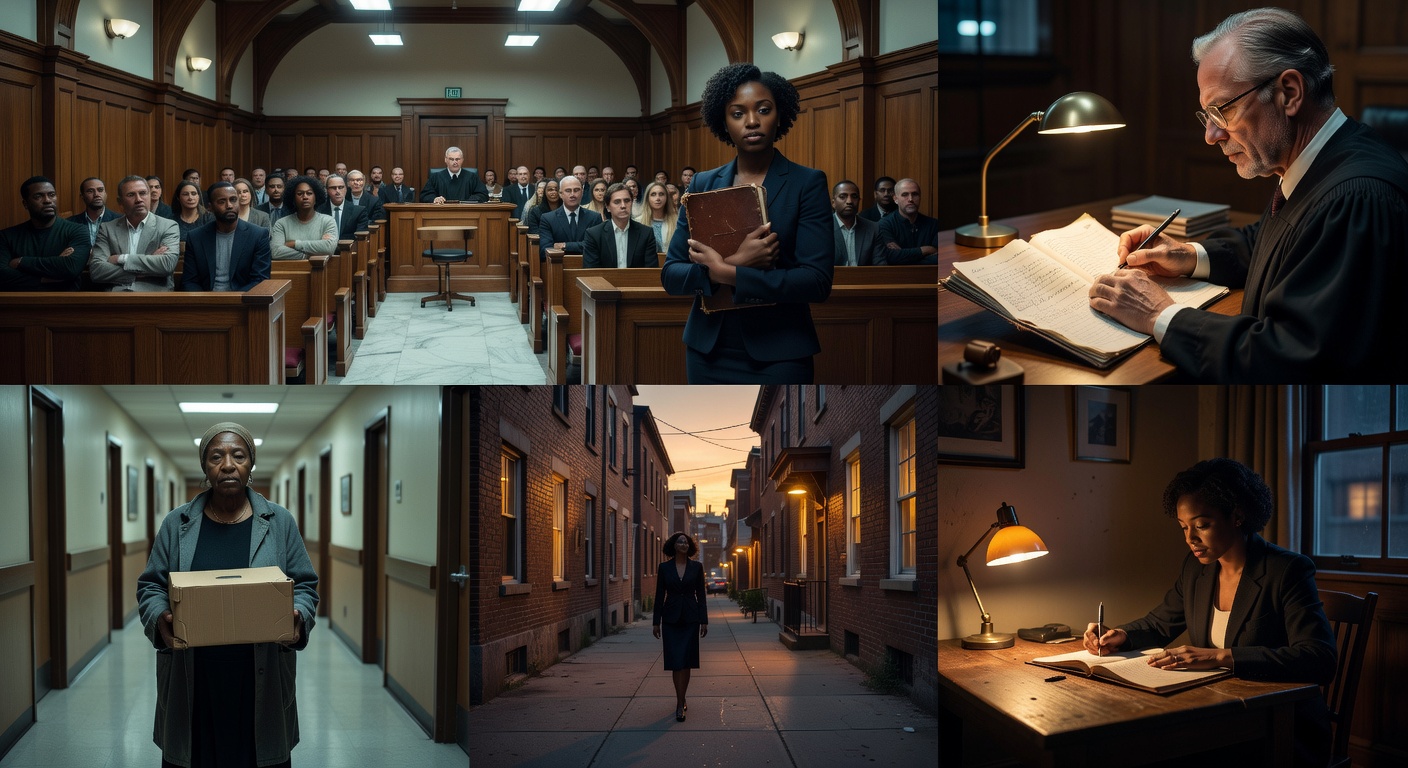
The Weight of the Ledger
Event 341

Fourteen Items